
Yankee Stadium Information
History
Yankee Stadium has a rich legacy dating back to its original incarnation in 1923. The first Yankee Stadium, often called “The House That Ruth Built,” was constructed to accommodate the growing popularity of Babe Ruth and the Yankees, opening on April 18, 1923, with a game against the Boston Red Sox. It hosted countless historic moments, including 26 World Series championships, Lou Gehrig’s famous “Luckiest Man” speech in 1939, and legendary performances by players like Mickey Mantle and Joe DiMaggio. The original stadium underwent renovations in the 1970s but was eventually deemed outdated.
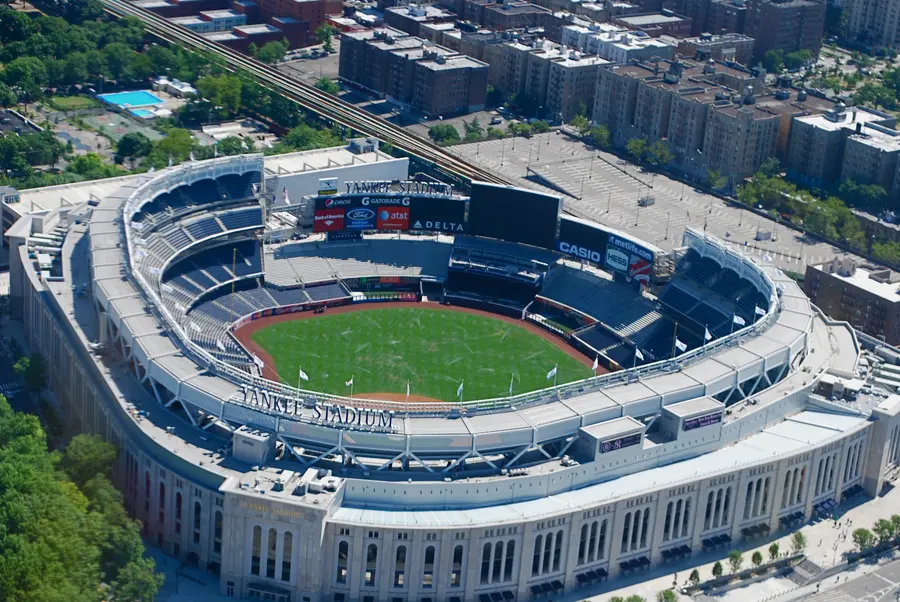
The current Yankee Stadium opened in 2009, built adjacent to the original site at a cost of approximately $2.3 billion. It preserves elements of the old stadium’s design, such as the frieze along the roof, while incorporating modern amenities. The new stadium has hosted not only baseball games but also soccer matches for New York City FC, concerts by artists like Jay-Z and Paul McCartney, and even college football bowl games.
A notable event was the 2010 Pinstripe Bowl, marking the return of college football to the Bronx. Over the years, it has seen triumphs like the Yankees’ 2009 World Series win and Derek Jeter’s 3,000th hit in 2011. As of 2026, the stadium continues to evolve, with recent upgrades focusing on sustainability and fan experience enhancements.
Atmosphere
The atmosphere at Yankee Stadium is electric and steeped in tradition, making it a must-visit for sports enthusiasts. On game days, the air buzzes with excitement as fans don pinstripes and chant “Let’s Go Yankees!” The iconic “Bleacher Creatures” in Section 203 perform the roll call at the start of each game, shouting players’ names until they acknowledge the crowd. This ritual, combined with the roar of the crowd during home runs or crucial plays, creates an intense, communal energy that’s palpable even for non-baseball fans. Beyond games, the stadium hosts concerts and events where the atmosphere shifts to a festival-like vibe, with state-of-the-art lighting and sound amplifying performances. Visitors often describe it as a blend of historic reverence and modern vibrancy – think monuments to Yankee legends in Monument Park contrasting with lively concourses. However, it can get crowded and loud, so ear protection might be advisable for families with young children. The Bronx location adds a gritty, authentic New York flavor, with street vendors and local eateries enhancing the pre-game buzz.
Facilities and Equipment
Yankee Stadium boasts top-tier facilities designed for comfort and accessibility. The venue seats about 46,537 for baseball, with premium options like luxury suites and the Legends Suite Club offering climate-controlled environments and private entrances. Seating includes field-level views, grandstands, and bleachers, all equipped with cup holders and ample legroom compared to older stadiums. Technologically, the stadium features a massive 5,900-square-foot high-definition video board in center field and over 1,300 HD monitors throughout. Audio equipment includes a sophisticated sound system for announcements and music, ensuring clear playback even in the upper decks. For accessibility, there are wheelchair-accessible seating, elevators, and sensory-inclusive bags available. Other equipment includes advanced security scanners, free Wi-Fi, and charging stations. The Great Hall entrance provides a grand, air-conditioned space with retail shops. For events, the stadium can reconfigure for soccer with a natural grass field overlay, and it includes training rooms and media facilities used by teams.
Management
Yankee Stadium is owned by the New York Yankees organization, but day-to-day operations are managed by Yankees Global Enterprises, a subsidiary of YankeeNets LLC. The team itself is owned by the Steinbrenner family, with Hal Steinbrenner serving as the managing general partner since 2008. Legends Hospitality, a joint venture between the Yankees and the Dallas Cowboys, handles concessions, merchandising, and premium services, ensuring high-quality fan experiences. The stadium’s construction and management involve partnerships with the City of New York, which provided land and infrastructure support. For non-baseball events, management collaborates with entities like New York City FC for soccer operations. Sustainability efforts, such as LED lighting and recycling programs, are overseen by the Yankees’ operations team, reflecting a commitment to modern venue management.
What to Expect
Visiting Yankee Stadium requires planning for a seamless experience. Gates typically open 90 minutes before games, but arrive early to explore Monument Park, which closes 45 minutes before first pitch. Expect strict security: clear bags no larger than 16x16x8 inches are allowed, and mobile tickets are mandatory via the MLB Ballpark app. Prohibited items include laptops, large backpacks, and outside food (with medical exceptions). Transportation is key – take the 4, B, or D subway lines to the 161st Street-Yankee Stadium station, which is steps away. Parking is available but pricey ($35–$50) and traffic-heavy; rideshares drop off nearby. Inside, expect wide concourses for easy navigation, family restrooms, and nursing suites. Weather can affect games – rain delays are common, but the stadium lacks a roof. For concerts, setups vary, but enhanced security and crowd management ensure safety. Overall, anticipate a mix of excitement, crowds (up to 54,000 for sold-out events), and Yankee pride.
Concessions
Concessions at Yankee Stadium offer a diverse array of options beyond traditional ballpark fare. Classic items like hot dogs, pretzels, and peanuts are available at stands throughout, but gourmet choices elevate the experience. Highlights include Lobel’s steak sandwiches, Mighty Quinn’s BBQ ribs, and chicken buckets from local favorites like the Bronx’s own City Island Lobster House. Vegan and gluten-free options abound, such as plant-based burgers and salads. The food court in the Great Hall features quick-service spots for burgers, nachos, and craft beers. Premium areas offer sit-down dining with menus curated by celebrity chefs. Prices are stadium-typical – expect $10–$15 for entrees and $8–$12 for beers. Mobile ordering via the app reduces wait times. For events, concessions adapt, with soccer matches featuring international cuisine. Note that cashless payments are required, and alcohol sales end after the seventh inning for baseball games.
Additional Tips for Event Goers
To maximize your visit, book tickets early through the Yankees’ website or authorized resellers to avoid scalpers. Stadium tours, available year-round, provide behind-the-scenes access to the dugout, press box, and Monument Park for about $35. For families, the Kids Clubhouse offers games and photo ops. Dress in layers for variable weather, and consider noise levels – earplugs are sold on-site. Accessibility features include ASL interpreters upon request and sensory rooms. Sustainability tip: Bring reusable water bottles, as filling stations are plentiful. Nearby attractions like the Bronx Zoo or Arthur Avenue’s Italian eateries make for a full day. Lastly, respect the “no re-entry” policy and download the app for real-time updates on lines and promotions.
For more information on the Yankee Stadium see the pages below:
Yankee Stadium Parking:
Read parking information and directions for the Yankee Stadium.
Ticket Policies:
Read ticket policies, ticket verification and refund policies.
Yankee Stadium Seating Chart:
View the Yankee Stadium seating map and read related seating information.